
Health Education Trends
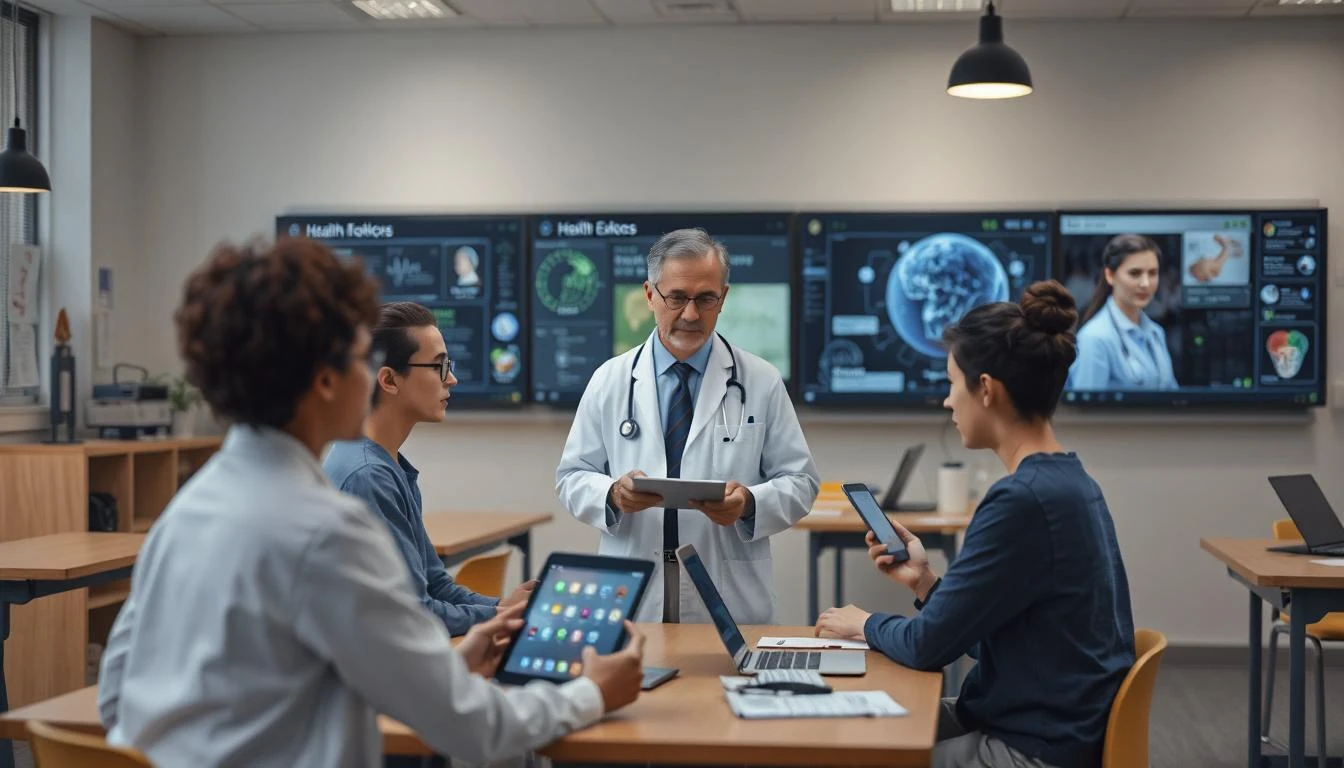
Health education is no longer a quiet academic subject hidden in classrooms, it has become a global conversation shaping how people understand wellness, prevention, and digital learning ecosystems. Today, learners are not just passive recipients but active participants in a rapidly evolving system that connects science, technology, and everyday life in unexpected ways.
In this fast-moving environment, health education trends are redefining how knowledge travels across borders, industries, and generations. The shift is not subtle, it is transformative, influencing how institutions design learning, how individuals consume health information, and how societies build awareness for long-term wellbeing.
Digital Transformation in Health Learning
The digital shift in healthcare education is reshaping everything you thought you knew about learning medicine and wellness. From immersive simulations to mobile learning tools, the entire ecosystem is becoming more interactive, accessible, and deeply personalized.
This transformation is not just about convenience, it is about redefining how people experience knowledge. And once you see how deeply it changes learning behavior, it becomes clear why digital tools now dominate modern healthcare education systems.
The integration of education trends health awareness is also accelerating this shift, connecting digital platforms with real-world health literacy campaigns that influence millions globally.
E-learning platforms for medical education
E-learning ecosystems are now central to modern healthcare learning. Platforms like Coursera, WHO Academy, and other global initiatives provide structured learning paths that allow students and professionals to upgrade their skills without geographic limits. As Dr. Michael Porter once stated, “Digital learning in healthcare is the bridge between accessibility and global equity in medical knowledge.”
Virtual classrooms and simulation tools
Virtual environments are revolutionizing medical training. Students can now perform simulated surgeries, diagnose virtual patients, and practice emergency responses in controlled environments. This method improves precision, reduces risk, and builds real confidence before real-world application.
Mobile health education applications
Mobile apps are turning everyday smartphones into medical classrooms. Bite-sized lessons, push notifications, and interactive assessments ensure that learning continues beyond formal settings, making healthcare education a constant companion.
Community-Based Health Awareness Programs
Before technology took center stage, communities were already the backbone of health education, and they still are. The real power lies in how local initiatives translate complex medical knowledge into practical, everyday actions that people can relate to and apply immediately.
This blend of tradition and innovation creates a powerful balance between digital systems and human connection, ensuring that awareness does not remain theoretical but becomes behavioral change.
The role of education trends health awareness becomes even more visible here, as grassroots movements amplify global health messages through local voices.
Local health campaigns and outreach
Community campaigns focus on real-world issues like vaccination, hygiene, and disease prevention. These initiatives are often led by local health workers who understand cultural context better than any global platform.
Peer-to-peer health education models
People trust people more than institutions. That is why peer education models are so effective. Trained individuals within communities spread health knowledge in relatable language, increasing acceptance and engagement.
School-based health literacy initiatives
Schools play a crucial role in shaping long-term health awareness. Introducing nutrition, mental wellness, and preventive care early ensures that the next generation grows up with stronger health literacy foundations.
As Dr. Leana Wen noted, “Health education must start where life begins, within communities and schools, not hospitals.”
Data-Driven Health Education Strategies
The rise of data has completely transformed how health education is designed, delivered, and optimized. Instead of one-size-fits-all systems, learning is now adaptive, predictive, and highly personalized.
This shift allows educators to understand not only what learners study but how they learn, where they struggle, and what motivates them to improve.
The use of education trends health awareness within data systems ensures that learning is not just efficient but also deeply relevant to real-world health challenges.
Use of analytics in health behavior tracking
Learning platforms now track engagement patterns, identifying which topics users struggle with and adjusting content accordingly. This ensures continuous improvement in knowledge retention.
Personalized learning in healthcare education
AI-driven systems create tailored learning paths based on individual progress. This makes education more efficient and reduces unnecessary repetition.
AI-supported medical knowledge systems
Artificial intelligence is now acting as a co-educator. It provides instant feedback, predictive diagnosis training, and adaptive quizzes that evolve with the learner’s performance.
Improve Global Health Literacy Through Innovation
Health education is entering a new era where innovation is not optional, it is essential. Blockchain certification, AI tutors, multilingual learning platforms, and global collaboration networks are shaping a borderless knowledge economy.
At this stage, health education trends are not just influencing education, they are actively reshaping global healthcare outcomes by improving literacy and accessibility at scale.
The global shift is clear: learning is becoming continuous, interactive, and deeply integrated into daily life. As Dr. Tedros Adhanom Ghebreyesus emphasized, “Health literacy is the foundation of resilient health systems worldwide.”
This evolution invites a deeper question: how far can technology go in making health knowledge truly universal?