Modern Wellness Trends
The global conversation around health is shifting faster than ever before, and you can feel it in everyday choices, from how people sleep, eat, and move, to how they interact with digital health platforms. Wellness is no longer a side topic; it has become a central pillar of modern life, shaping habits, workplaces, and even global commerce.
Today’s readers are not just searching for inspiration, they want clarity, practicality, and trustworthy direction that actually fits into real life. This is where modern wellness trends start to redefine how health information is consumed, blending science, lifestyle, and technology into one continuous ecosystem.
Holistic Wellness and Mind-Body Integration
Modern life often feels fragmented, and people are beginning to notice the disconnect between physical health and emotional balance. This section of wellness is about reconnecting those dots in a way that feels natural, grounded, and sustainable.
As lifestyles become more demanding, individuals are shifting toward deeper awareness of how thoughts, emotions, and physical energy interact throughout the day.
wellness trends lifestyle is increasingly shaped by this integration, where daily habits are no longer isolated actions but part of a unified health system.
Mind-body awareness is no longer optional, it is becoming the foundation of modern living. As Dr. Andrew Weil once stated, “The future of medicine will be preventive, personalized, and integrative.” This reflects a growing belief that wellness must address the whole human system, not just symptoms.
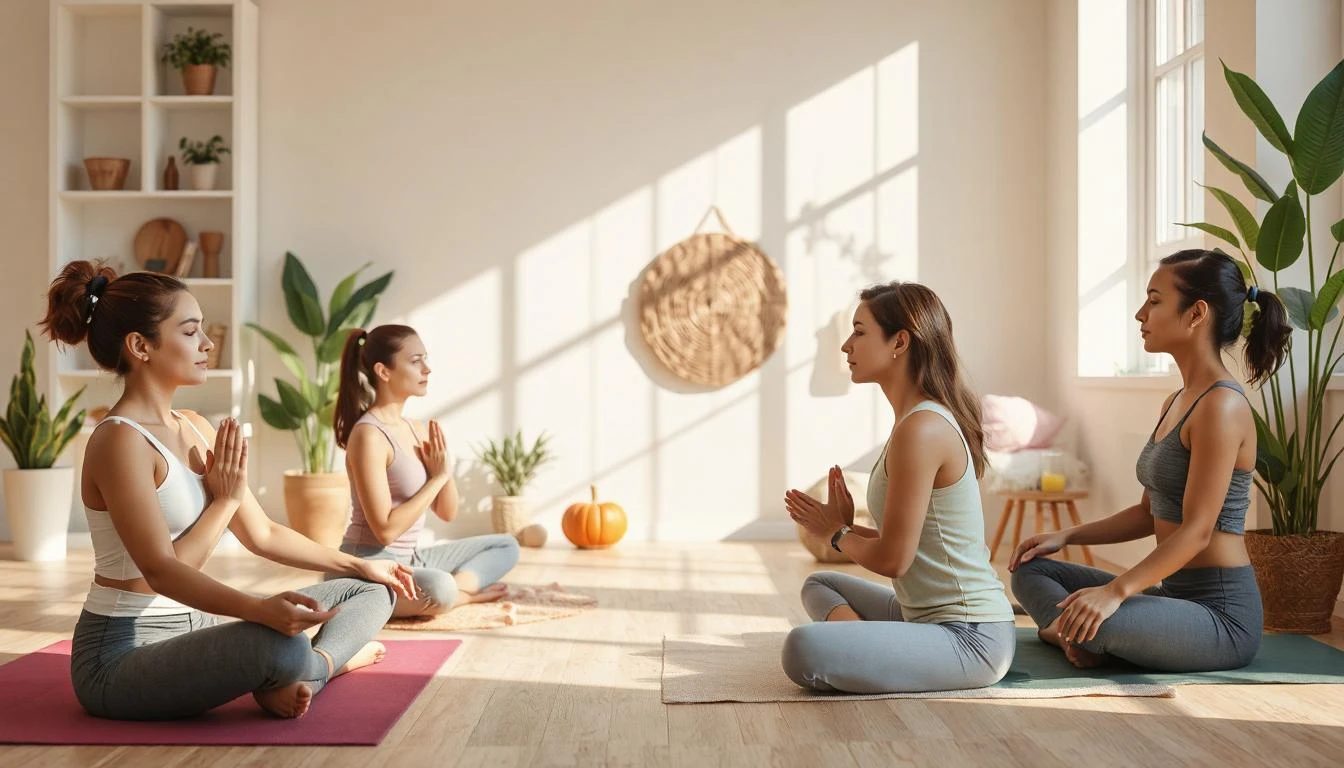
Mindfulness and meditation practices in daily life
People are incorporating short mindfulness sessions into busy routines, from five-minute breathing exercises to guided digital meditation apps. These practices are not about escaping reality but about sharpening focus within it. Long-tail behaviors like “how to stay mentally balanced in a high-stress job” are becoming increasingly common in global search patterns.
Functional fitness and movement-based training
Fitness is evolving beyond aesthetics. Functional movement training, mobility work, and strength-based conditioning are now preferred because they improve real-life performance. This shift reflects a broader understanding that the body must be trained for longevity, not just appearance.
Emotional well-being and stress management
Stress regulation has become a daily priority. People are exploring journaling, therapy, and breathwork as practical tools for emotional stability. Emotional resilience is now viewed as a core life skill rather than a luxury.
Nutrition and Personalized Health Approaches
Food is no longer just fuel, it is data, medicine, and identity combined. People are becoming more conscious of how nutrition affects energy, immunity, and long-term health outcomes.
This shift is also influencing global marketplaces, where personalized nutrition services are growing rapidly and reshaping consumer expectations.
plant-based nutrition trends are also gaining momentum as individuals seek cleaner, more sustainable dietary patterns aligned with environmental awareness.
According to nutrition scientist Dr. Marion Nestle, “Real food doesn’t need marketing, but modern consumers need guidance to distinguish it from processed noise.” This highlights the increasing complexity of modern dietary choices.
Plant-based and clean eating movements
Plant-based diets continue to expand globally, driven by both ethical and health considerations. Clean eating emphasizes whole foods, minimal processing, and nutrient density.
DNA-based and personalized diet plans
Genetic testing is now being used to design personalized nutrition strategies. People want diets tailored to their biology, not generic templates. This includes optimizing macronutrients based on genetic predispositions.
Gut health and microbiome awareness
Gut health is emerging as a cornerstone of overall wellness. The microbiome influences digestion, immunity, and even mood regulation, making it one of the most important areas in modern health science.
Digital Wellness and Health Technology
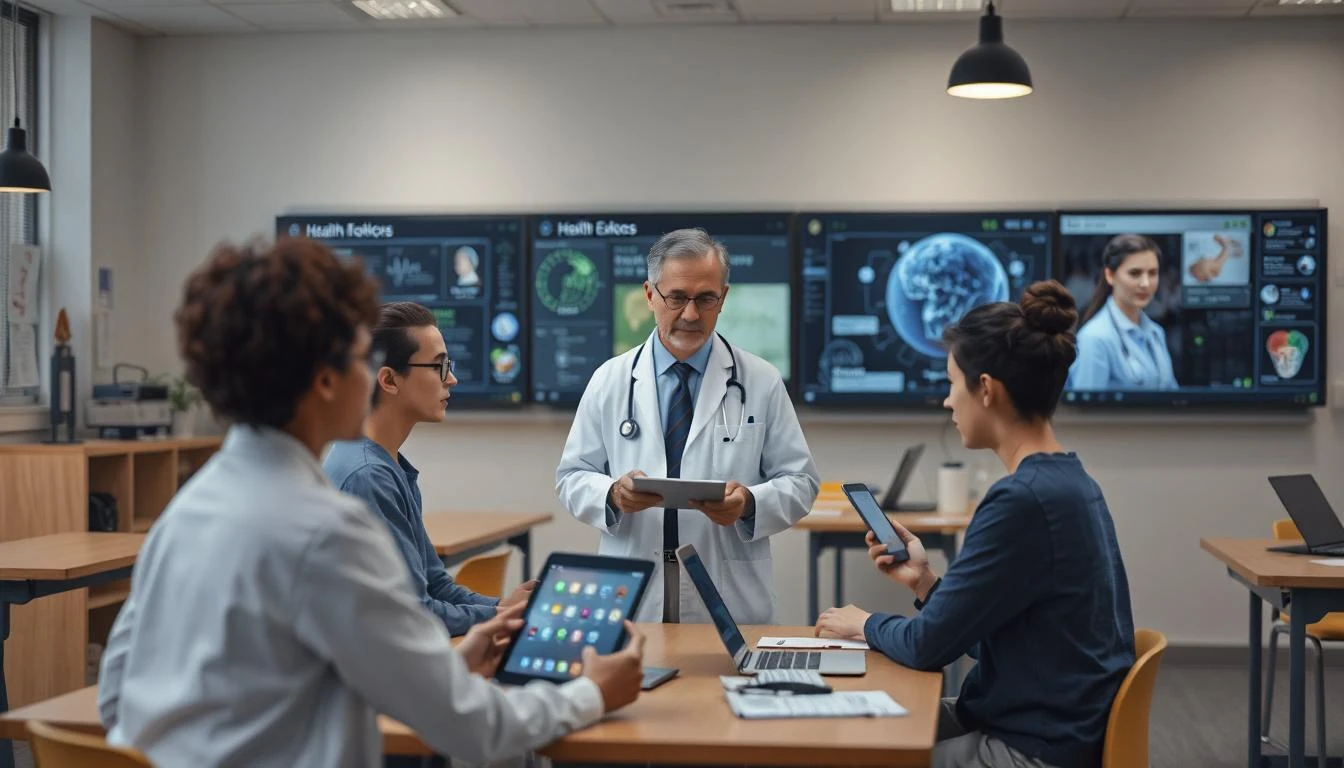
Technology is reshaping how people understand and manage their health. Instead of waiting for symptoms, individuals now track and optimize their wellness in real time.
Digital tools are transforming healthcare into a continuous feedback loop between body, data, and behavior.
Wearables, AI systems, and health apps are central to modern wellness trends, creating a highly connected health ecosystem.
Wearable health tracking devices
Smartwatches and fitness trackers now monitor heart rate, sleep quality, and oxygen levels. These insights help users make immediate lifestyle adjustments based on real-time data.
AI-driven wellness applications
Artificial intelligence is personalizing health recommendations at scale. From workout suggestions to stress prediction models, AI is becoming a silent wellness coach in everyday life.
Digital detox and screen time balance
Despite technological growth, people are increasingly aware of digital overload. Screen time management and digital detox practices are becoming essential for mental clarity and sleep quality.
Embrace Modern Wellness for a Healthier Future
The evolution of wellness is no longer theoretical, it is happening in real time, shaping how people live, think, and make decisions every day. The future of health is not about strict rules but about adaptability, awareness, and personalization.
Modern lifestyles demand smarter approaches, and those who understand this shift gain a clearer path toward balance and longevity. As Dr. Deepak Chopra once noted, “Health is not just the absence of disease, but the presence of vitality and coherence.”
The real question is not whether wellness is changing, but whether you are ready to adapt with it.
modern wellness trends are becoming the blueprint for healthier living across the globe.
If you’re ready to take control of your health journey, start paying closer attention to your daily habits and the signals your body is already sending, you may be surprised by what you discover.