Medical Awareness Trends
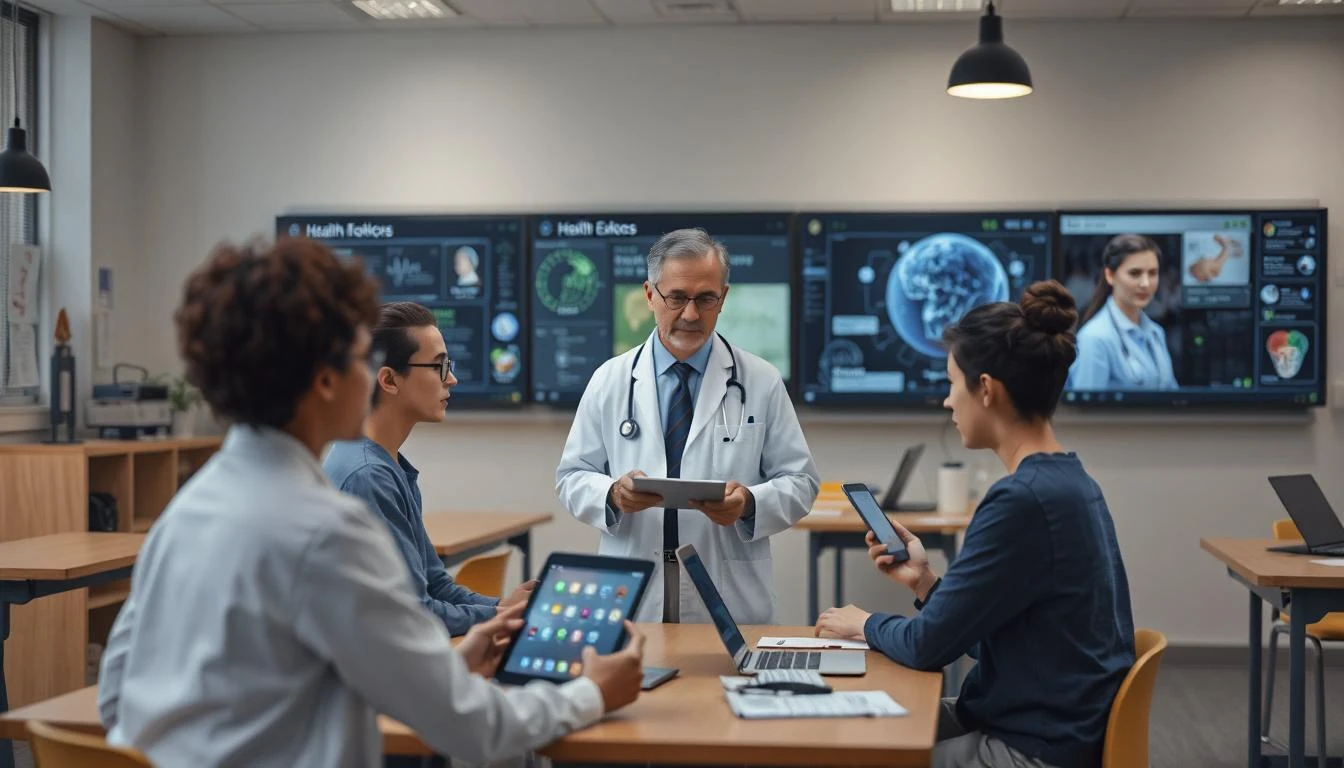
Global healthcare conversations are shifting faster than ever, and people are no longer passive receivers of medical advice. They are actively searching, questioning, and engaging with health information across digital and physical ecosystems. This transformation is shaping how societies understand prevention, treatment, and wellness at a deeper level.
In this evolving landscape, medical awareness trends are becoming a defining force in modern healthcare systems. From digital health platforms to preventive care programs, these trends are reshaping how individuals interpret symptoms, access medical support, and make informed decisions about their well-being.
Rising Importance of Preventive Healthcare
Healthcare today is no longer centered only on curing illness, but on preventing it before it begins. This shift is changing how communities think about health responsibility, turning awareness into action long before symptoms appear.
The rise of awareness trends medical health is strongly linked to this preventive mindset, where individuals actively seek early interventions and lifestyle-based solutions to reduce long-term health risks.
Early disease detection and screening programs
Early detection is becoming a cornerstone of modern healthcare systems. People are increasingly engaging with screening programs for cancer, cardiovascular conditions, and metabolic disorders. These initiatives are supported by digital reminders, workplace health checks, and mobile clinics that bring diagnostics closer to communities. As Dr. Michael Grant explains, “Early screening is not just medical procedure, it is a behavioral shift toward survival intelligence embedded in society.”
Vaccination awareness campaigns
Vaccination campaigns are evolving into interactive, data-driven public health strategies. Governments and health organizations now use storytelling, digital dashboards, and influencer engagement to improve participation. These campaigns aim to strengthen trust while addressing hesitancy through transparent communication.
Regular health check-up culture
Routine check-ups are becoming part of modern lifestyle habits, similar to fitness or nutrition tracking. People are increasingly aware that consistent monitoring can prevent silent diseases from progressing unnoticed. This cultural shift reflects a deeper understanding of long-term wellness planning.
Digital Health Awareness and Information Access
The digital world has become the primary gateway for health-related information. People now rely heavily on online platforms to understand symptoms, treatments, and preventive strategies, making accessibility more important than ever.
The expansion of awareness trends medical health in digital spaces is driving a new era where information is instant, global, and continuously evolving.
Online medical consultation growth
Telemedicine and virtual consultations are redefining healthcare accessibility. Patients can now connect with specialists without geographical limitations, reducing delays in diagnosis and treatment. Searches like “best online doctor consultation for immediate medical advice” continue to rise globally.
Health misinformation challenges on social media
While digital access has improved, misinformation remains a serious challenge. False medical claims spread rapidly across social platforms, often creating confusion and mistrust. This issue has led to increased efforts in digital literacy and fact-checking systems within healthcare ecosystems.
Trusted health information platforms
Reliable platforms are now more critical than ever. People are shifting toward verified medical websites, academic journals, and government health portals. According to Dr. Lisa Montgomery, “Trust in health information is the foundation of public health stability in the digital age.”
Global Health Crisis Preparedness
Recent global events have highlighted the importance of preparedness in healthcare systems. Societies are now prioritizing readiness over reaction, ensuring faster and more coordinated responses during emergencies.
This evolution in medical awareness trends reflects a global commitment to strengthening resilience against future health threats.
Pandemic response education
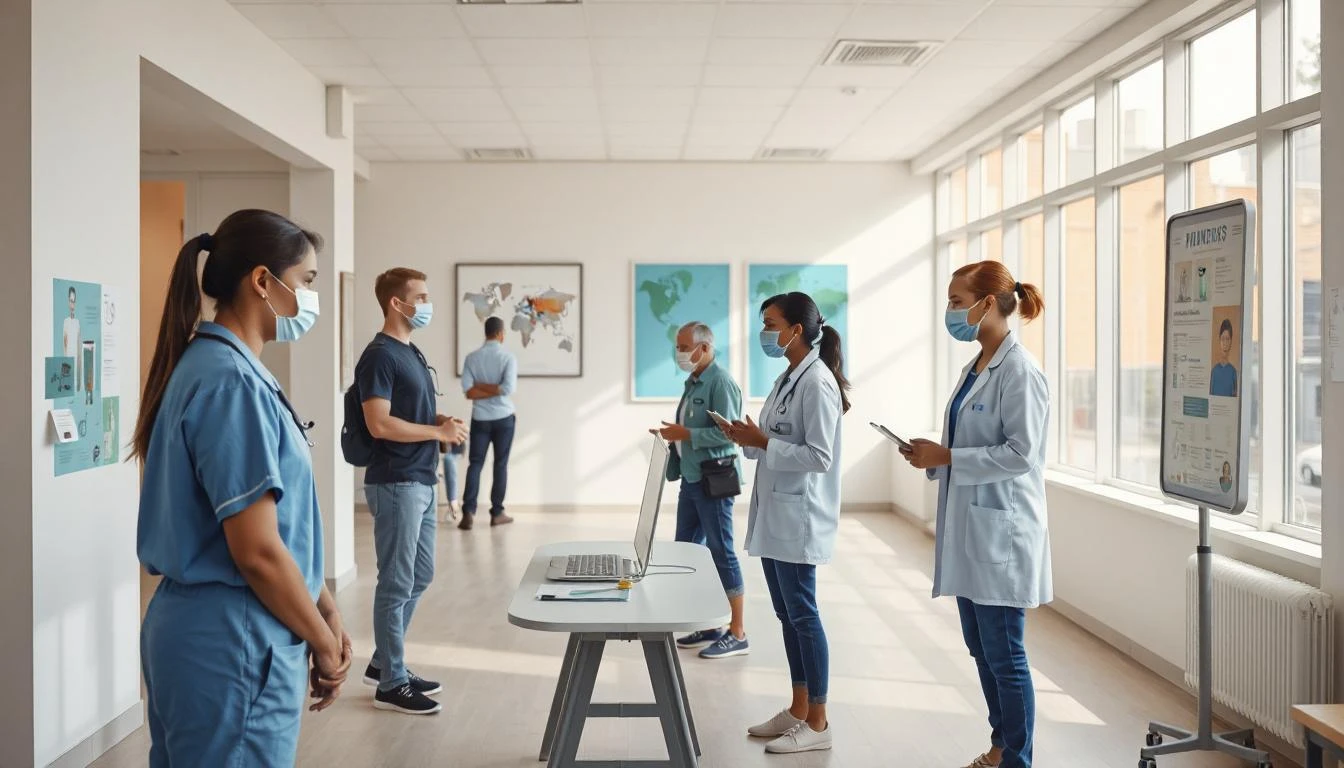
Education around pandemics has become a key part of public awareness campaigns. People are learning about hygiene protocols, infection control, and early warning systems to better respond to future outbreaks.
Emergency healthcare systems awareness
Emergency systems are being upgraded with real-time tracking, AI triage tools, and faster response coordination. Public awareness of how these systems function is increasing, helping communities respond more effectively during crises.
Community resilience and preparedness training
Local communities are now actively participating in preparedness programs. These initiatives focus on disaster readiness, mental health support, and collective response strategies that strengthen social resilience during emergencies.
Take Action to Improve Medical Awareness in Your Community
Improving health awareness starts at the local level. Communities that actively engage in education, prevention, and digital literacy tend to experience stronger health outcomes and reduced medical risks over time.
The continued growth of medical awareness trends shows that collective action is the most powerful driver of sustainable healthcare improvement.
Simple actions such as sharing verified health information, attending screenings, and supporting vaccination programs can create meaningful change. The future of healthcare depends on how informed and proactive each community becomes.